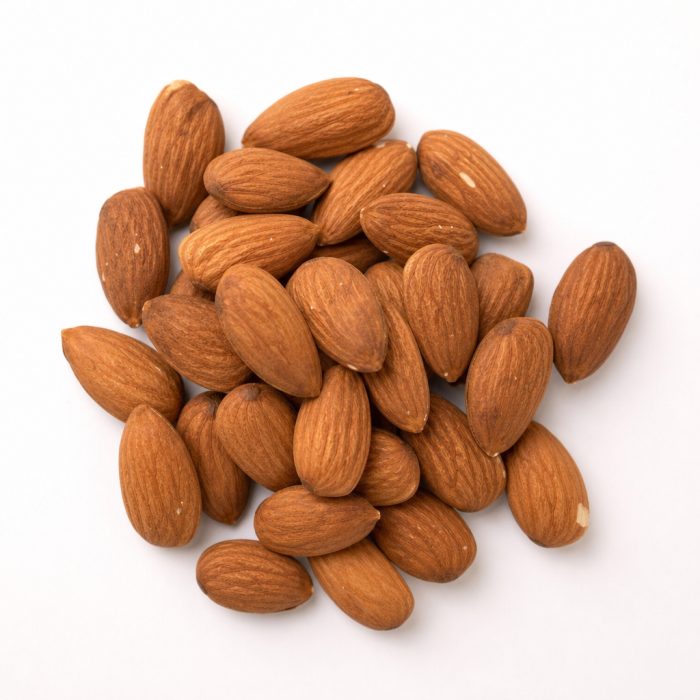
How to specify nut grades for consistent supply
Counts, sizes and skin types explained, with a simple framework for writing a specification your supplier can hold.
Products
Choose golden raisins for bright colour and soft, sweet plumpness in bakery, cereal and snack mixes, and green raisins for a firmer bite, distinctive colour and tangier sweetness in premium and ethnic-food applications. Both are graded by size and colour, with lower-moisture grades offering a firmer texture and longer shelf life.
Raisins look interchangeable until you bake with them. Colour, moisture, texture and origin all change how a dried vine fruit performs in a finished product - and a mismatch shows up as the wrong colour, the wrong bite or a shelf-life problem. Here is how to choose.
Golden raisins bring bright colour and natural sweetness. They are typically plump and soft, with good colour retention through baking, which makes them a reliable choice for bread, cereal, confectionery and snack mixes. We select plump, uniform berries and offer them in jumbo, standard and a lower-moisture "select" grade where a firmer texture or longer shelf life is needed.
Sourced mainly from Turkey and the USA, golden raisins are the everyday workhorse of the dried-vine-fruit category. Their soft texture and even sweetness make them forgiving across a wide range of recipes, which is why they are the default choice when a product simply needs a dependable, well-coloured raisin that behaves predictably in the mix.
Green raisins are a different product entirely. Shade-dried rather than sun-dried, they keep a distinctive green colour, a firmer bite and a tangier, more complex sweetness. The long green type (sometimes called Abjosh) is prized for its appearance and texture and commands a premium; round green and standard grades offer the same character at a keener price.
Sourced from traditional shade-drying regions such as Afghanistan and India, green raisins suit premium bakery, snacking and ethnic-food manufacture where their look and bite are part of the appeal. The shade-drying process takes longer than open sun-drying and is what preserves the green colour and firmer flesh, which is part of why the long green grades sit at a premium to everyday golden raisins.
The quickest way to choose is to compare the two on the characteristics that actually affect your product:
| Characteristic | Golden raisins | Green raisins |
|---|---|---|
| Colour | Bright amber-gold | Distinctive green |
| Texture | Plump and soft | Firm with a definite bite |
| Flavour | Sweet, mellow | Tangier, more complex |
| Drying | Sun-dried | Shade-dried |
| Main origins | Turkey, USA | Afghanistan, India |
| Best for | Bakery, cereal, snack mixes | Premium snacking, appearance-led and ethnic-food lines |
| Price position | Everyday workhorse | Premium, especially long green |
The principle is the same one that runs through every ingredient decision: specify for the finished product, not by habit. A premium granola that trades on its appearance can justify long green raisins; a value teacake almost certainly cannot, and golden raisins will serve it better at a sensible cost.
Moisture is the quiet variable that decides how a raisin behaves. A higher-moisture berry is softer and plumper but more fragile and shorter-lived; a lower-moisture "select" grade is firmer, travels and stores better, and holds up in processing where a soft berry would break down. Neither is simply better - the right choice depends on whether your priority is a soft eating texture or a robust, long-keeping inclusion. Stating your moisture preference when you enquire lets a supplier match the grade to your need rather than shipping a default.
Where a recipe needs a softer result from a firmer grade, raisins can be plumped - rehydrated in water or juice before use - which restores softness while keeping the storage benefits of a lower-moisture berry. It is a useful technique to know when balancing texture against shelf life.
Dried vine fruit keeps well but is not indifferent to how it is stored. Heat and humidity encourage sugaring, clumping and, over time, fermentation; cool, dry, sealed storage preserves colour, texture and flavour. Rotate stock so older fruit is used first, and keep packaging sealed until needed to protect against moisture pick-up and against the colour fade that light and warmth cause - particularly in green raisins, whose appearance is half of what you are paying for.
Quality varies more than the simple gold-or-green choice suggests, so it pays to specify and inspect. When you enquire, state the type, the grade, any moisture preference and the application. On arrival, a good lot should be clean and uniform, free from stalks, grit and foreign matter, with consistent colour and no excessive clumping or crystallised sugar on the surface. Ask for a specification sheet, and request a sample on a new line so you can confirm colour, size and texture before committing to volume.
Raisins are graded by berry size and colour, and increasingly by moisture. When you enquire, state the type (golden or green), the grade, the moisture preference if any, and the application. We inspect every lot for stalks, foreign matter and colour before despatch, and supply specifications on request, sourcing golden raisins mainly from Turkey and the USA and green raisins from traditional shade-drying regions including Afghanistan and India.
Golden raisins are bright, plump and soft with sweet flavour, suited to bakery and cereal. Green raisins are shade-dried, keeping a green colour, firmer bite and tangier sweetness, prized for premium snacking and ethnic-food use.
Golden raisins are selected for good colour retention through baking, which is why they are the common choice for bread, cereal and confectionery. Green raisins keep their distinctive colour too but are firmer and used where bite and appearance matter.
A lower-moisture (select) grade is a firmer raisin with a longer shelf life, useful where a softer berry would be too fragile or where extended storage is needed. It is graded specifically for that firmer texture.
Golden raisins are sourced mainly from Turkey and the USA; green raisins from traditional shade-drying regions including Afghanistan and India. Every lot is inspected for colour, size and cleanliness before despatch.
Keep reading
Counts, sizes and skin types explained, with a simple framework for writing a specification your supplier can hold.
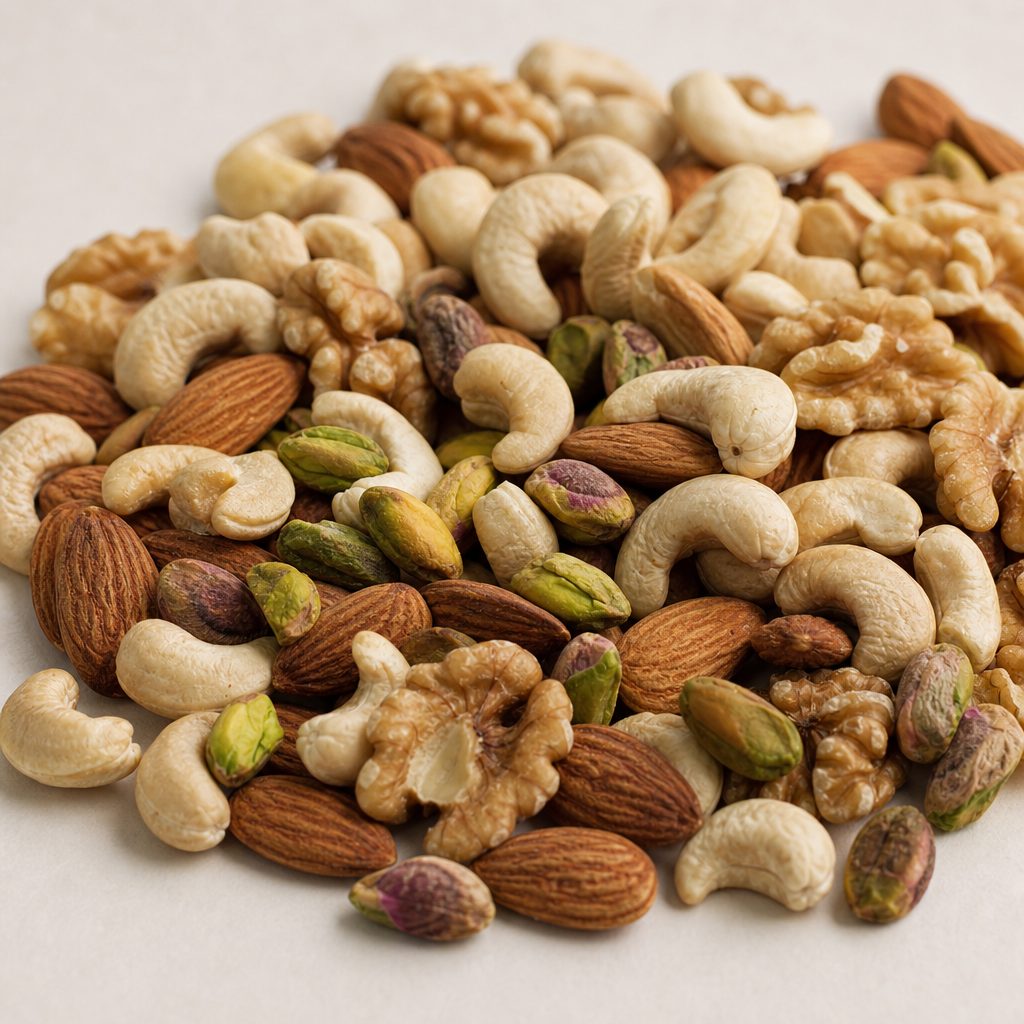
What separates a dependable supply partner from a commodity broker, and the questions every trade buyer should ask before placing an order.
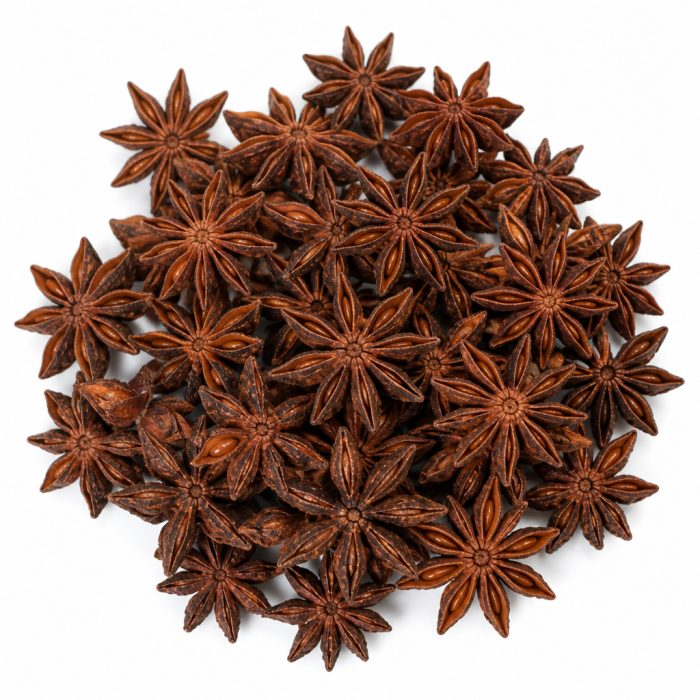
Why aroma, grading and storage matter as much as price when buying whole and ground specialty spices.
Enquiries
Share your product, grade, volume and timing. One of our experienced team will respond promptly with availability and a quotation.