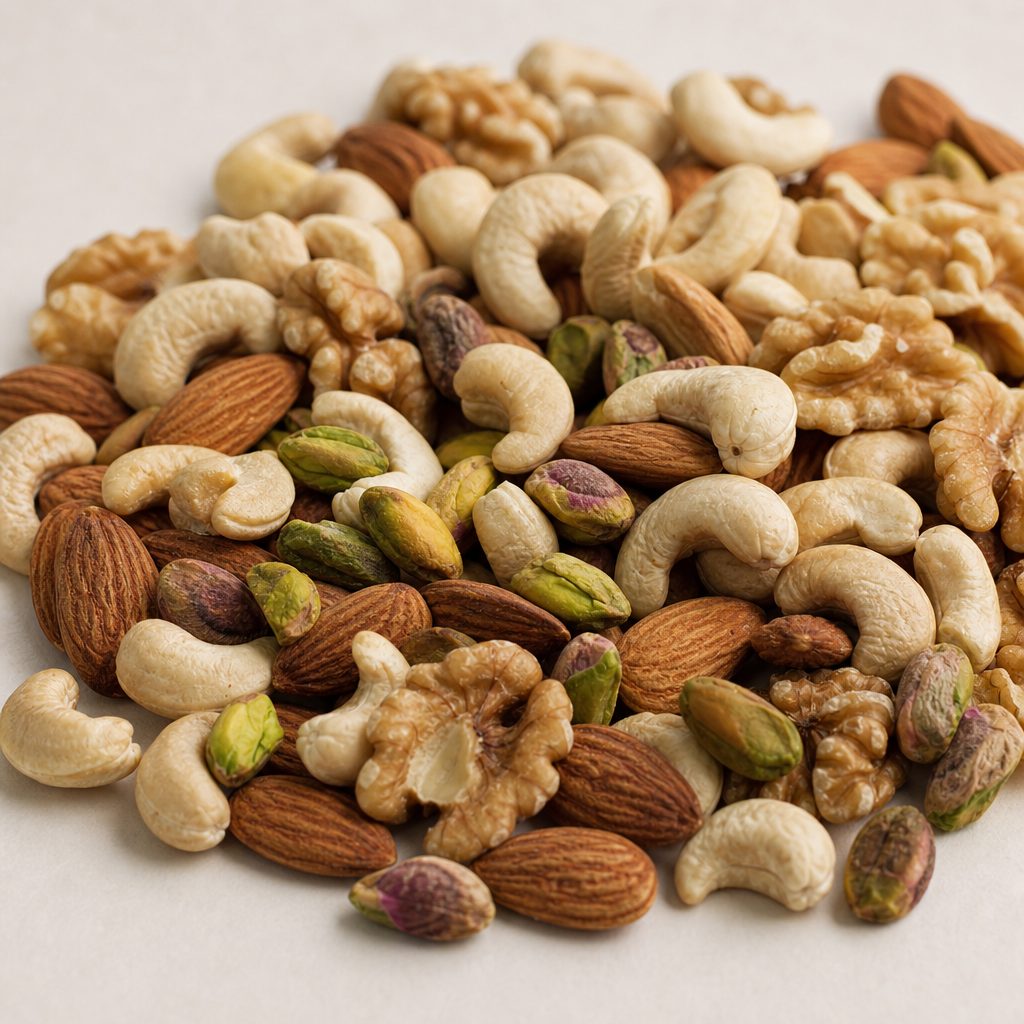
A buyer's guide to sourcing nuts and dried fruits
What separates a dependable supply partner from a commodity broker, and the questions every trade buyer should ask before placing an order.
Sourcing
When sourcing specialty spices, judge them on aroma and volatile-oil content as much as appearance, because that is what flavours the finished product. Buy whole where possible and grind close to use, grade by pod or quill size, oil content and origin, and insist on cool, dry, dark storage that protects the aromatic oils. Cardamom, cassia and star anise each have their own grading conventions.
Spices are bought too often on price and colour alone. But what a blender, baker or manufacturer is really paying for is aroma - the volatile oils that carry flavour - and those fade fast when a spice is poorly graded, badly stored or ground too early. Sourcing spices well means understanding what actually drives quality.
The value in a spice is its volatile-oil content - the aromatic compounds that deliver flavour and fragrance. Two lots can look similar and perform very differently because one has been better selected, dried and stored. When you assess a spice, smell it: a strong, clean, characteristic aroma is the single best indicator of quality.
This matters commercially because a spice with higher oil content goes further. A blender dosing for a target flavour intensity will use less of a strong cardamom than a weak one, so the cheaper lot with thinner aroma can easily cost more per finished batch. When you compare quotes, you are not really comparing kilos; you are comparing flavour per kilo, and the only way to judge that is by aroma and, on the lines that warrant it, by oil-content figures on the specification.
You do not need a laboratory to make a sound first judgement. Take a sample, and work through the senses in order. Look first: colour should be characteristic and even, the pieces intact and clean, with no dust, stalk or foreign matter. Then smell, ideally after lightly crushing a small amount to release the oils - the aroma should be strong, clean and true to the spice, with no mustiness, smoke taint or flatness. Finally, where appropriate, taste: the flavour should be full and should linger rather than fade instantly.
For higher-value or critical lines, back that sensory check with paperwork: a specification sheet stating moisture, volatile-oil content and cleanliness, and the relevant certificates. The sensory check tells you what you have in front of you; the documentation tells you whether the next ten lots will match it.
Whole spices keep their aroma far longer than ground, because grinding exposes the oils to air and they oxidise. Wherever your process allows, buy whole and grind close to use, or specify freshly-ground powder milled to your requirement. Ground spices bought in bulk and stored too long lose much of what you paid for.
When you do buy ground, particle size matters more than buyers expect. A coarse grind releases flavour gradually and suits long-cooked or infused applications; a fine powder disperses evenly and suits dry blends, bakery and dusting. Specifying the grind you need, rather than accepting whatever the mill last set up, protects both the flavour release and the appearance of your finished product.
Cardamom, cassia and star anise are bought differently because they are graded differently. The summary below sets out the conventions side by side:
| Spice | Graded by | Premium signal | Main origins | Typical use |
|---|---|---|---|---|
| Green cardamom | Pod size (mm), colour | Bold 8mm+ pods, deep even green, strong aroma | Guatemala, India | Blends, bakery, beverages, confectionery |
| Cassia | Thickness, oil content, origin | High oil content, clean quills, true colour | Indonesia, Vietnam, China | Blends, bakery, savoury and sweet |
| Star anise | Intactness, colour, aroma | Whole selected star, intact points, autumn crop | China, Vietnam | Brining, blending, confectionery |
Green cardamom is graded by pod size in millimetres - bold 8mm-plus pods are the premium grade - and by colour, from natural green through to bleached white for applications needing a pale appearance. The aroma is intense and volatile, so cardamom in particular rewards cool, dry, dark storage and careful handling. We source bold green and bleached white pods from leading origins such as Guatemala and India.
Because cardamom is among the higher-value spices, it is worth specifying carefully. A bold, well-coloured pod with seeds that are still dark, sticky and aromatic inside is the sign of a fresh, well-handled lot. Pale, papery pods with dry, rattling seeds have usually been held too long or dried too hard, and the aroma will have gone with the freshness.
Cassia is supplied as whole quills, broken bark and ground powder, graded by thickness, oil content and origin. Indonesian, Vietnamese and Chinese cassia each have their own flavour profile and strength. Broken bark with high oil content is well suited to grinding and blending; whole quills are chosen for presentation and strength of aroma.
Cassia is sometimes confused with true cinnamon, and the two are not interchangeable for every application; cassia is stronger and more robust, which is exactly why it is preferred in many savoury blends and baked goods. When you buy, be clear which you are specifying, and judge cassia on oil content and clean, characteristic aroma rather than on appearance alone.
Star anise is graded from selected whole star - chosen for intact points, colour and strength of aroma - through to broken star and powder. Autumn-crop star typically carries the strongest aroma. It is used whole for brining, blending and confectionery, and ground for spice mixes.
Whole, intact star with most of its points present is both a quality and a value signal: it indicates careful handling and grades well for presentation, while broken star and powder suit blending where appearance does not matter. As with all whole spices, buying star anise whole and grinding close to use keeps far more of its distinctive aroma than buying it pre-ground.
Higher-value spices attract adulteration, from bulking agents in ground powders to mislabelled origin. The simplest protection is to buy whole where you can, since whole spices are far harder to adulterate than powders, and to work with an importer who can stand behind the specification and provide certificates. Consistency lot to lot is the other half of the picture: a spice that varies in strength between deliveries forces a blender to re-dose every batch, which is a hidden cost that a reliable, well-graded supply removes.
However well a spice is sourced, poor storage undoes it. Heat, light, air and humidity all degrade volatile oils. Store spices cool, dry and dark, in sound packaging, and rotate stock so nothing is held beyond its best. This is where a careful importer earns their place: keeping aroma intact from origin to your door.
The same discipline applies once the spice reaches you. Keep whole spices in their sealed packaging until needed, decant only what you will use, and grind in small batches rather than milling a month of demand at once. A little care at your end preserves the quality you paid an importer to protect at theirs.
As with nuts and dried fruits, the best spice supply relationships are built on a clear specification and continuity rather than the lowest opening quote. Agree the grade, form and, where relevant, the oil-content and moisture figures in writing. Ask about pack sizes, lead times and whether the lines you depend on are held in stock. A supplier who can despatch quickly from held stock, supply a specification and sample on request, and keep the same grade coming lot after lot is worth far more than a one-off bargain on a spice whose aroma you cannot verify until it arrives.
Buy whole wherever your process allows and grind close to use. Whole spices retain their aromatic oils far longer; ground spices oxidise faster and lose flavour if stored too long. If you need powder, specify it freshly milled and to the particle size your process needs.
Green cardamom is graded by pod size in millimetres, with bold 8mm-plus pods the premium grade, and by colour from natural green to bleached white. Larger, well-coloured pods with strong aroma and dark, sticky inner seeds are the highest quality.
Cassia and true cinnamon come from related but different trees. Cassia is stronger, more robust in flavour and more common in savoury blends and baked goods. They are not always interchangeable, so specify which you need rather than ordering "cinnamon" loosely.
Volatile-oil (aroma) content is the key driver of spice quality, more than appearance. It depends on selection, drying, grading and storage. A strong, clean, characteristic aroma is the best simple indicator of a good spice.
Cool, dry and dark, in sound packaging, with disciplined stock rotation. Heat, light, air and humidity all degrade the volatile oils that give a spice its flavour, so good storage protects the quality you paid for.
Keep reading
What separates a dependable supply partner from a commodity broker, and the questions every trade buyer should ask before placing an order.
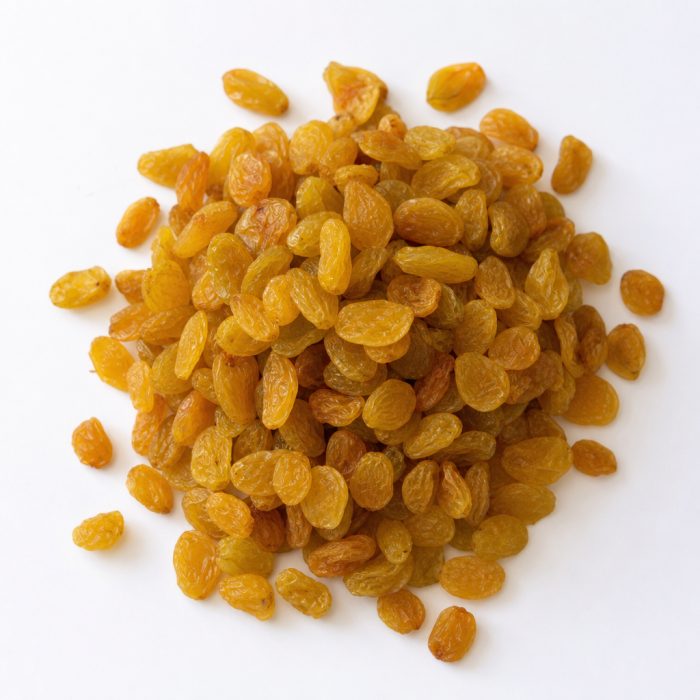
Colour, texture and origin compared, so you can match the right vine fruit to your bakery, cereal or confectionery line.
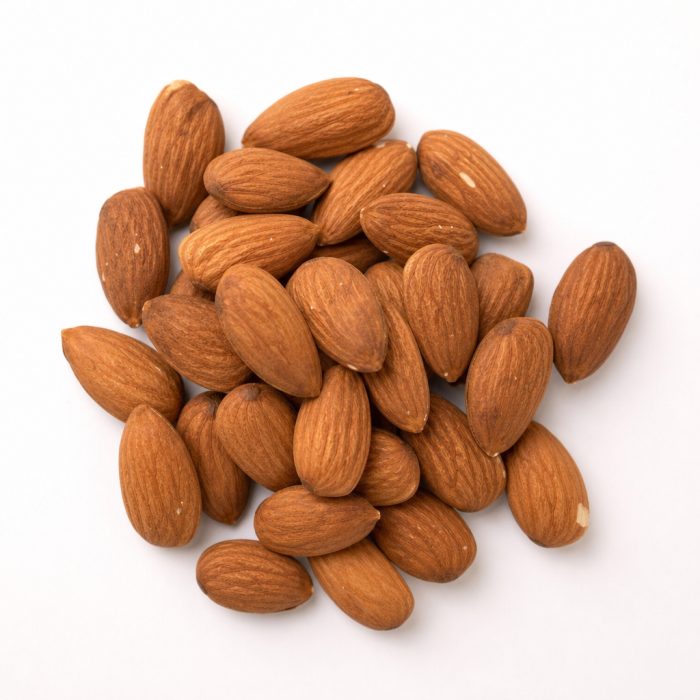
Counts, sizes and skin types explained, with a simple framework for writing a specification your supplier can hold.
Enquiries
Share your product, grade, volume and timing. One of our experienced team will respond promptly with availability and a quotation.